
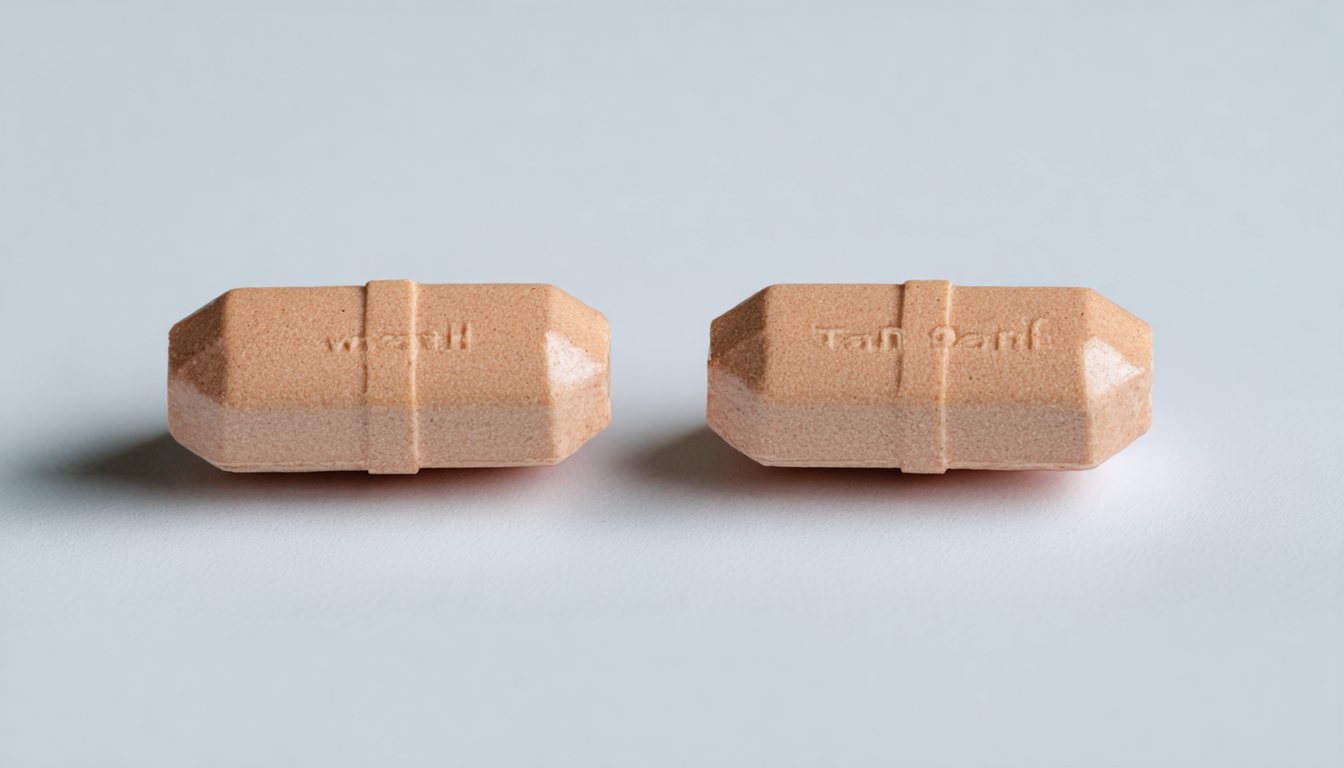
«Tadalafil» — answers to the main questions
Disclaimer: This article is for informational purposes only and does not replace professional medical advice, diagnosis, or treatment. Always consult a qualified healthcare provider regarding your health or medications.
Frequently asked questions (FAQ block at the beginning)
What is tadalafil?
Tadalafil is a prescription medication primarily used to treat erectile dysfunction (ED), symptoms of benign prostatic hyperplasia (BPH), and sometimes pulmonary arterial hypertension (PAH). It belongs to a class of drugs called phosphodiesterase type 5 (PDE5) inhibitors. It works by improving blood flow to specific areas of the body.
How does tadalafil work in the body?
Tadalafil relaxes smooth muscle in blood vessel walls by blocking the PDE5 enzyme. This increases blood flow, particularly to the penis during sexual stimulation. For BPH, it helps relax muscles in the prostate and bladder, improving urinary symptoms.
Why does erectile dysfunction happen?
ED can result from reduced blood flow, nerve damage, hormonal imbalance, psychological stress, or chronic conditions such as diabetes and cardiovascular disease. Lifestyle factors like smoking and obesity also increase risk. Understanding the cause helps determine whether tadalafil or another approach is appropriate.
How long does tadalafil last?
Tadalafil is often called the “weekend pill” because its effects may last up to 36 hours. This does not mean a continuous erection but rather improved ability to achieve one with sexual stimulation during that time window.
Is tadalafil the same as Cialis?
Cialis is a brand name for tadalafil. Generic tadalafil contains the same active ingredient and is considered therapeutically equivalent when approved by regulatory authorities.
What conditions is tadalafil approved to treat?
It is approved for erectile dysfunction, benign prostatic hyperplasia, and in specific formulations, pulmonary arterial hypertension. The indication depends on dosage form and prescribing guidance.
What are the most common side effects?
Common side effects include headache, flushing, nasal congestion, back pain, muscle aches, and indigestion. These are usually mild and temporary. Persistent or severe symptoms require medical attention.
Is tadalafil dangerous?
For most healthy individuals under medical supervision, it is considered safe. However, it can be dangerous when combined with nitrate medications or certain heart conditions due to the risk of a severe drop in blood pressure.
Can tadalafil be taken daily?
Yes, there is a lower-dose daily regimen approved for continuous treatment of ED or BPH. Whether daily or as-needed use is appropriate depends on medical history and lifestyle factors.
When should I see a doctor before taking tadalafil?
You should consult a doctor if you have heart disease, low blood pressure, liver or kidney problems, vision disorders, or take medications such as nitrates or alpha-blockers. A medical evaluation ensures safe use.
Can tadalafil improve sexual performance in healthy men?
Tadalafil is intended to treat erectile dysfunction, not to enhance performance in individuals without ED. Misuse may expose users to unnecessary risks without added benefit.
Does tadalafil cure erectile dysfunction permanently?
No, it does not cure the underlying cause. It temporarily improves erectile function. Addressing lifestyle factors and underlying conditions is important for long-term improvement.
Detailed breakdown
1. Tadalafil and Erectile Dysfunction (ED)
Erectile dysfunction is the most common reason tadalafil is prescribed. ED affects millions of men worldwide and is often linked to vascular health. Because tadalafil enhances blood flow, it can help men achieve and maintain erections when sexually stimulated.
For more information about related men’s health concerns, see our section 16.
2. Tadalafil for Benign Prostatic Hyperplasia (BPH)
BPH is an enlargement of the prostate gland that can cause urinary frequency, urgency, weak stream, or nighttime urination. Tadalafil helps relax smooth muscle in the bladder and prostate, improving urinary flow and reducing discomfort.
Patients with both ED and BPH may benefit from a treatment strategy that addresses both conditions simultaneously.
3. Safety, Contraindications, and Drug Interactions
The most serious risk associated with tadalafil is a significant drop in blood pressure when combined with nitrate medications (often prescribed for chest pain). It should also be used cautiously in individuals with recent stroke, heart attack, or unstable cardiovascular disease.
Other interactions may occur with alpha-blockers, certain antifungals, HIV medications, and some antibiotics. A full medication review is essential before starting therapy.
4. Side Effects and Warning Signs
Most side effects are mild. However, rare but serious complications include sudden vision loss, sudden hearing changes, or priapism (an erection lasting more than 4 hours). These require immediate medical attention.
| Symptom / Situation | Urgency Level | Where to Seek Help |
|---|---|---|
| Mild headache or flushing | Low | Monitor; consult primary care if persistent |
| Severe dizziness or fainting | High | Emergency department |
| Chest pain after taking tadalafil | Critical | Call emergency services immediately |
| Erection lasting more than 4 hours | Critical | Emergency department |
| Sudden vision or hearing loss | High | Urgent medical evaluation |
5. Psychological and Lifestyle Considerations
ED often has both physical and psychological components. Stress, anxiety, depression, and relationship difficulties may contribute. Addressing mental health alongside medical treatment can improve outcomes.
You can explore related topics in category 17 and broader health discussions in Uncategorized.
Checklist: what you can do today
- Schedule a medical consultation before starting tadalafil.
- Prepare a list of all medications and supplements you take.
- Check your blood pressure regularly.
- Discuss cardiovascular health with your healthcare provider.
- Adopt heart-healthy habits: balanced diet, regular exercise, smoking cessation.
- Limit excessive alcohol consumption.
- Manage stress through relaxation techniques or counseling.
- Monitor for unusual symptoms after starting treatment.
- Store medication according to label instructions.
- Seek immediate help for chest pain or prolonged erection.
Sources
- U.S. Food and Drug Administration (FDA) — Drug Safety Communications and prescribing information.
- European Medicines Agency (EMA) — Tadalafil product information.
- American Urological Association (AUA) — Guidelines on Erectile Dysfunction and BPH.
- National Institutes of Health (NIH) — MedlinePlus Drug Information.
- National Health Service (NHS) — Tadalafil overview and patient guidance.
- Mayo Clinic — Erectile dysfunction and medication safety resources.

0 comentarios